

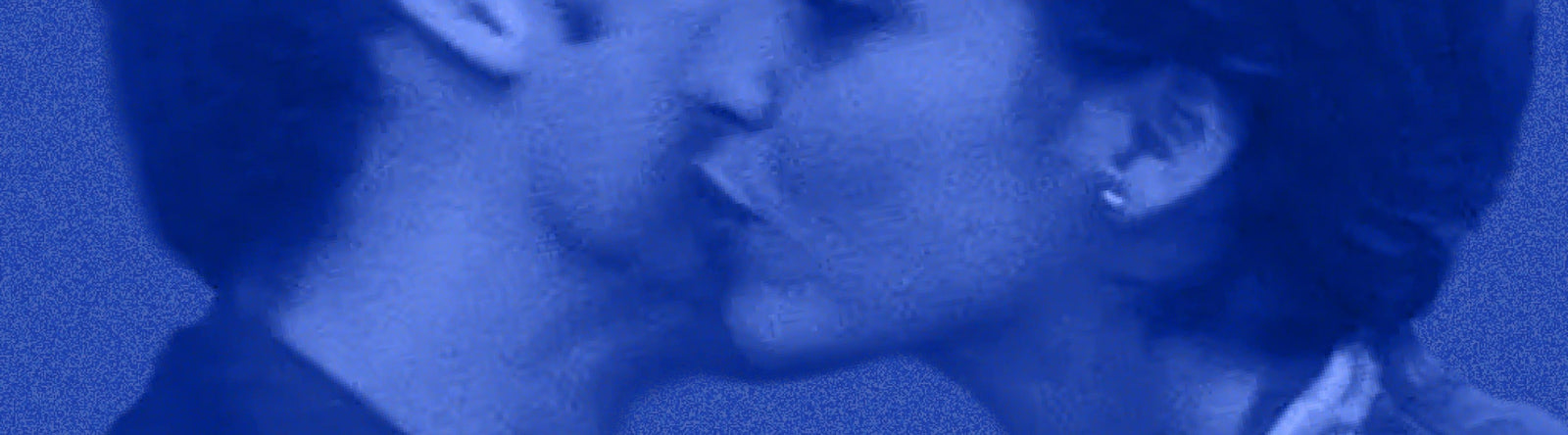
If you've ever been to France, chances are you've had an awkward la bise moment. Maybe you went in for a hug (rookie move) or froze mid-air while your French friend handled the cheek-kiss routine like a pro. So, what's the deal with this classic French greeting? Let's make sure you can pull it off without a cringe-inducing fumble.
What La Bise Actually Means & A Brief History
La bise isn't just a cute cultural quirk. It's a social handshake — a friendly, respectful way to greet people you know. Among friends and family, it's a warm "good to see you." In some workplaces, it happens too, but not always. Bottom line: it's a sign of connection, not romance.
The tradition likely traces back to ancient Rome, where kissing was a symbol of respect and friendship. The French eventually made it their own, and by the 19th century, it had become part of everyday life. Today, it remains one of the most recognizable gestures in French culture, although not without its share of confusion for visitors.
When to Do It (and When to Hold Back)
→ ✅ With friends, relatives, and close acquaintances? Oui ! Absolutely.
→ ⚠️ Coworkers? Ça dépend ! Depending on work culture & closeness.
→ ❌ With your boss or a stranger? Probably not.
→ ❌ Random strangers ? Eh non !
When in doubt, let the other person take the lead. That's rule number one of la bise.
Which Side Comes First?
In most of France, people start with the right cheek — meaning you tilt your head slightly to the left. But there are plenty of regional variations, so if you freeze for a second, don't worry. Everyone's done it wrong at least once.
How Many Kisses?
It depends on where you are. France is a patchwork of kissing customs:
- Paris & Northern France → Two kisses 💋💋
- Southern France → Three kisses 💋💋💋
- Provence & a few other regions → Four kisses 💋💋💋💋
Yes, four. It's practically a social workout. The safest move? Observe first, then follow the local rhythm.

How to Do It Gracefully
-
Make eye contact first.
-
Lean in gently — you're brushing cheeks, not actually kissing skin.
-
Make a soft "mwah" sound.
-
Switch sides, repeat, step back naturally.
If you misjudge the angle or bump noses, just laugh. The French appreciate someone who can laugh at themselves.
What It's Not
Despite what every romantic comedy would have you believe, la bise isn't flirting. It's not intimate, and it's not a sign of attraction. It's just part of everyday social life. For new or formal introductions, a handshake is still the safest choice.
A Few French Phrases to Know
Faire la bise → to do the cheek-kiss greeting
"Faire la bise à mon boss, c'est plutôt bizarre." (Kissing my boss on the cheek? That's kind of weird.)
Bisous → casual, affectionate "kisses," often used in texts or goodbyes
"Je te fais plein de bisous !" (Sending you lots of kisses!)
Se faire la bise → to greet each other with a kiss
"Elles se font la bise tous les matins." (They greet each other with a kiss every morning.)
Want to see it in action? Take a look at our Instagram post that breaks down who to kiss, how many times, and how to start.

Want to Go Deeper into French Culture?
If learning la bise has you curious about the everyday habits that shape French life, you'll enjoy exploring a bit more. My Hello French guides were created to help you understand the language and the culture in a way that feels natural, not overwhelming.
The Beginner Bundle gives you the essentials to speak with confidence, and the Paris Guide brings the city to life with local etiquette, neighborhood tips, and the kind of insights that make you feel at home, not just like a visitor.





%20or%20froze%20mid-air%20while%20your%20French%20friend%20handled%20the%20cheek-kiss%20routine%20l...)